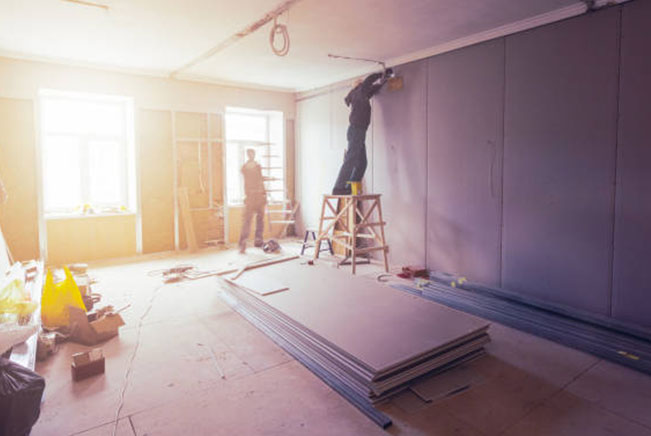
Building reconstruction is a significant construction project that involves the restoration, renovation, or rebuilding of an existing building to bring it up to modern standards, repair structural damages, or change its functionality. It could be a result of damage due to natural disasters, aging and deterioration, or the need for repurposing the building. The key steps involved in a building reconstruction job:
- Assessment and Planning: The first step is to assess the condition of the existing building and determine the scope of reconstruction needed. Architects, engineers, and other construction professionals conduct a thorough inspection to identify structural issues, code compliance requirements, and the overall condition of the building. Based on the assessment, a detailed reconstruction plan is developed, considering the client’s needs and budget.
- Obtaining Permits: Depending on the scale of the reconstruction, permits and approvals may be required from local authorities and regulatory bodies. The reconstruction team works with the relevant authorities to secure all necessary permits before commencing the work.
- Demolition (if needed): In some cases, parts of the existing building may need to be demolished to make way for the reconstruction. This demolition process should be carefully planned and executed to avoid any damage to the surrounding structures and ensure safety.
- Structural Repairs: If the building has structural issues, such as foundation problems or weakened load-bearing elements, these must be addressed before proceeding with the reconstruction. Structural repairs are critical to ensuring the safety and stability of the building.
- Rebuilding and Renovation: With the structural issues resolved, the actual reconstruction work begins. This may involve rebuilding damaged or demolished sections, renovating interior spaces, and upgrading building systems like electrical, plumbing, and HVAC to meet modern standards.
- Material Selection: During the reconstruction, appropriate materials are chosen to ensure the building’s longevity, safety, and aesthetics. The materials may vary depending on the type of building and its intended use.
- Finishing and Interior Works: After the major construction is complete, finishing touches are applied. This includes interior works such as flooring, painting, tiling, and installing fixtures and fittings.
- Quality Control and Inspections: Throughout the reconstruction process, quality control measures are implemented to ensure that the work meets the required standards. Regular inspections are carried out to identify any issues that need to be addressed promptly.
- Safety Measures: Safety is a top priority during building reconstruction. The construction site must adhere to safety protocols, and workers should be equipped with the necessary personal protective equipment (PPE).
- Completion and Handover: Once the reconstruction is complete, a final inspection is conducted to ensure everything is in order. The building is then handed over to the client or end-users.
Building reconstruction jobs require skilled professionals, careful planning, and proper execution to transform an existing building into a safe, functional, and aesthetically pleasing structure.